Graphic Design Trends Across Social Media
Social media today feels like a nonstop visual battlefield where every scroll decides whether a brand gets noticed or ignored. Designers, marketers, and creators are constantly experimenting with new visual languages, trying to capture attention in less than a second. What makes it even more intense is how platforms evolve faster than design rules can stabilize, forcing everyone to adapt in real time.
In this fast-shifting environment, modern graphic design aesthetics have become the backbone of digital communication, shaping how brands appear, feel, and connect with audiences across global platforms. From TikTok feeds to Instagram grids and LinkedIn carousels, visual identity is no longer optional, it is the core language of digital presence.
Popular Graphic Design Styles Trending Online
The internet never sleeps, and neither do design trends. What looks fresh today can feel outdated tomorrow, and this constant evolution pushes creators to stay alert and flexible. Visual culture has become a living organism, shaped by audience behavior, platform algorithms, and cultural shifts happening in real time. In this landscape, designers are not just artists, they are translators of attention, turning ideas into visuals that speak instantly to scrolling audiences.
Minimalist social media layouts
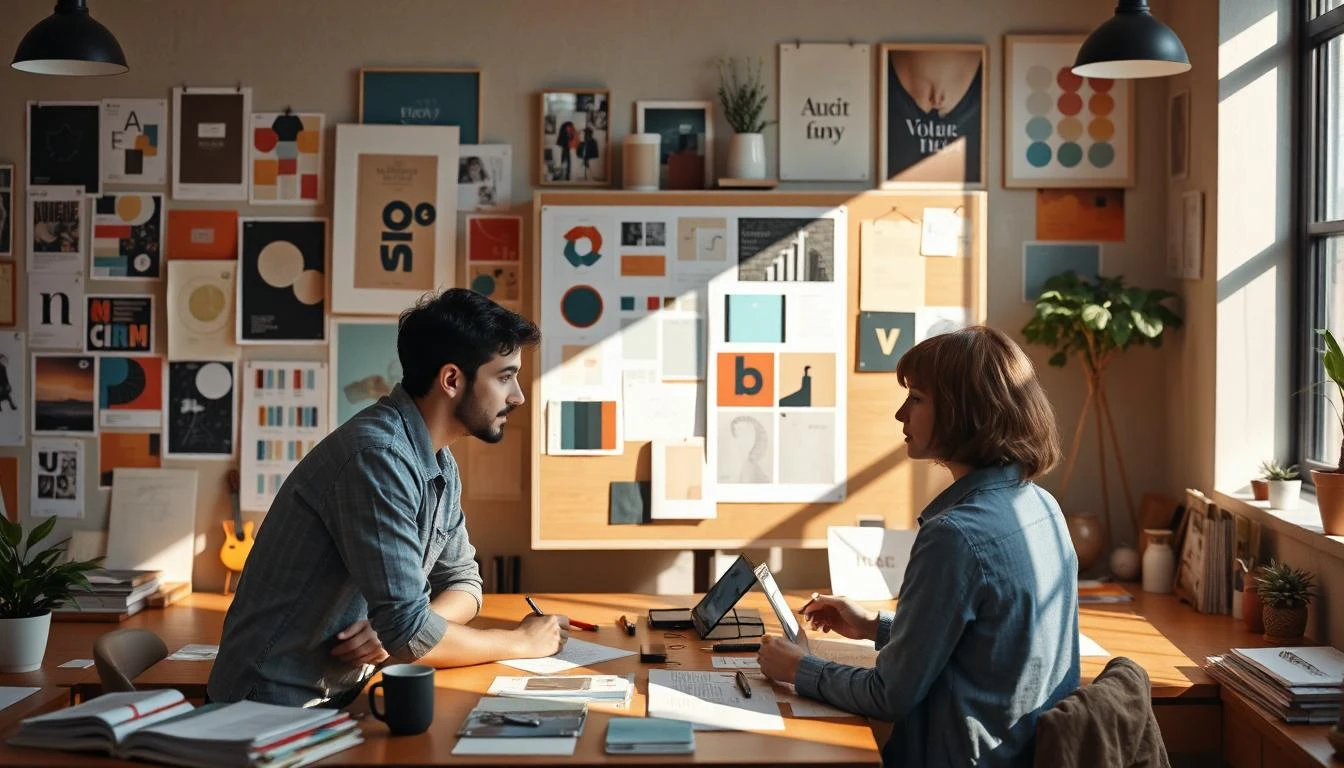
Minimalism is one of the strongest social media visual design trends, focusing on clean spacing, simple typography, and structured layouts that improve clarity and readability, especially on mobile screens. Supporting ideas like clean UI design and mobile-first structure reinforce its dominance, while Dieter Rams’ principle that “good design is as little design as possible” still shapes modern digital branding.
Bold typography visual trends
Typography has evolved into a bold visual tool where expressive fonts, kinetic typography, and experimental layouts act as emotional design elements that instantly grab attention. This shift aligns with long-tail trends like how bold typography improves engagement, leading to stronger memory retention and faster brand recognition.
Retro inspired digital aesthetics
Retro-inspired visuals are returning with grain textures, neon colors, and glitch effects that blend nostalgia with modern branding. Y2K aesthetics and vintage digital effects help create emotional familiarity, making users pause longer and engage more naturally.
How Social Media Shapes Modern Design
Social media is no longer just a distribution channel, it is a design engine that dictates how visuals are created. Every platform has its own rhythm, and designers must adapt their work to fit those micro-behaviors. What works on Instagram may fail on TikTok, and what succeeds on LinkedIn might not survive on Pinterest. This constant adaptation forces creators to think not only visually but strategically, aligning aesthetics with algorithm behavior.
Short form content visual appeal
Short-form content has completely reshaped attention design. Everything must be instant, impactful, and emotionally clear within seconds. Motion graphics, fast transitions, and high-contrast visuals dominate because they align with how users consume content today.
Long-tail keywords like best graphic design strategies for TikTok videos and how to create engaging short-form visuals reflect this shift. Designers now prioritize clarity over complexity, ensuring messages are understood before the viewer scrolls away.
Interactive graphic storytelling
Interactive visuals are redefining how stories are told online. Instead of static posts, audiences now engage with polls, swipeable carousels, animated infographics, and clickable narratives. This creates a sense of participation rather than passive consumption. According to digital marketing expert Neil Patel, “Engagement is the new currency of online visibility,” which perfectly explains why interactive design continues to grow in importance.
Branding consistency across platforms
Consistency is the invisible force behind strong digital brands. When users see the same color palette, typography style, and visual tone across multiple platforms, trust builds naturally. Inconsistent branding, on the other hand, creates confusion and weakens recognition.
Tools And Techniques Designers Use Today
Design today moves at an accelerated pace. Deadlines are shorter, content demand is higher, and expectations are constantly rising. To keep up, designers rely heavily on smarter tools and streamlined workflows that enhance speed without sacrificing creativity.
AI assisted graphic creation
Artificial intelligence has become a powerful creative partner. It helps generate layouts, refine images, suggest color palettes, and automate repetitive design tasks.
Mobile friendly design tools
Mobile-based design platforms are reshaping how content is created.
Fast editing workflow methods
Speed has become a competitive advantage in digital design.
Explore The Latest Graphic Design Trends Today
The evolution of visual communication is far from slowing down. If anything, it is accelerating as technology, culture, and audience expectations continue to merge into a single fast-moving ecosystem.
The most successful creators are not just following trends, they are interpreting them, reshaping them, and applying them with intent.