Visual Inspiration Styles Everyone Loves
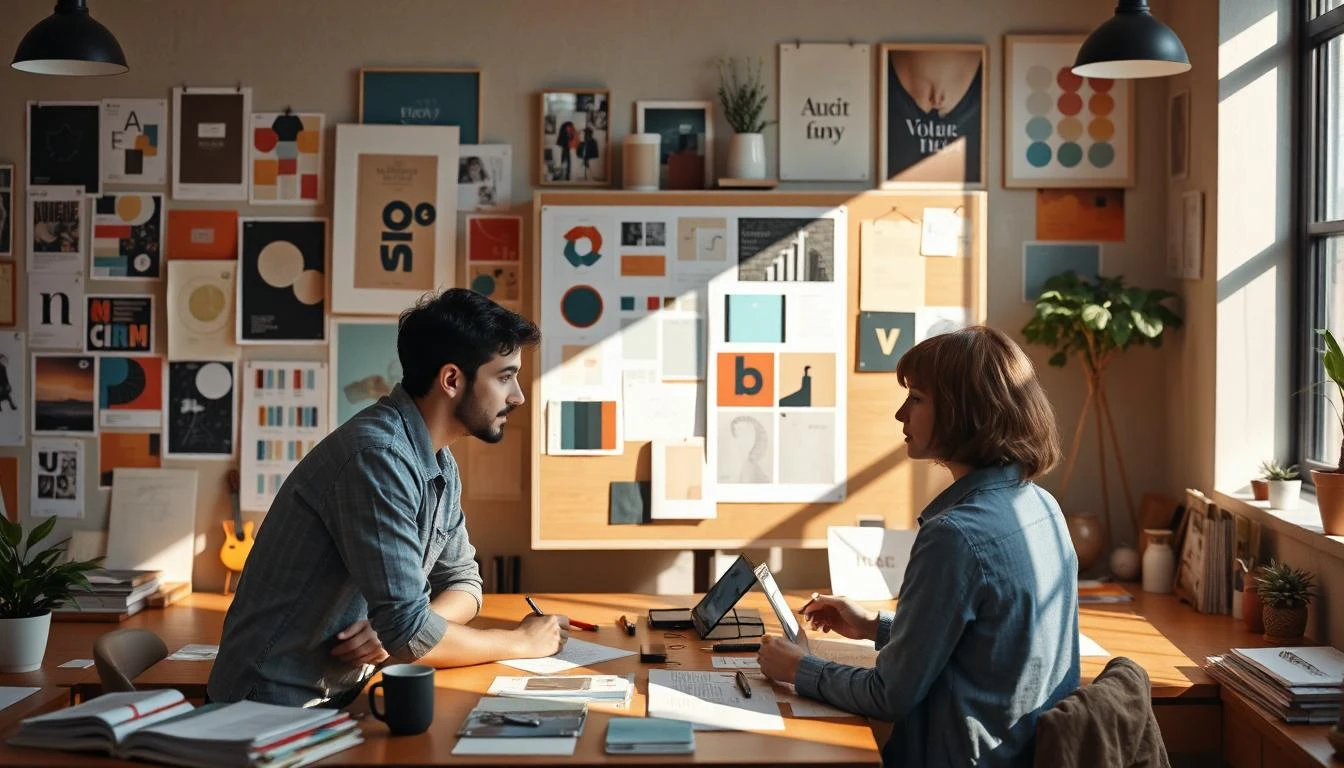
In today’s hyper-visual digital world, design is no longer just decoration, it’s communication, emotion, and identity rolled into one. Every scroll, swipe, and click exposes audiences to endless streams of imagery that shape perception in seconds. From branding campaigns to personal portfolios, visual direction determines whether something is remembered or ignored. That is why understanding visual inspiration styles has become essential for creators, marketers, and designers who want to stay relevant in an increasingly competitive landscape.
Behind every powerful design lies a deeper intention, to connect, to persuade, and to resonate. Modern audiences are not just passive viewers anymore, they are active interpreters of meaning. This shift has transformed how creators approach aesthetics, pushing them to explore new visual languages that feel both authentic and emotionally engaging. Among these evolving approaches, popular visual art concepts continue to dominate discussions in the creative industry, shaping how visuals are built, shared, and experienced across platforms.
Most Popular Visual Inspiration Styles Today
The current digital ecosystem is shaped by rapidly evolving aesthetics that reflect culture, technology, and emotional behavior. Designers are constantly remixing ideas, blending nostalgia with innovation to create something visually magnetic. Understanding these styles is crucial for anyone who wants to stay ahead in design trends.
One major shift is the rise of modern inspiration styles for creators, where simplicity, clarity, and emotional storytelling are prioritized over complexity. These styles are not just trends, they are strategic visual systems designed to capture attention in milliseconds.
Clean minimalist visuals
Minimalism continues to dominate because of its clarity and elegance. It strips away unnecessary noise, leaving only essential elements that communicate directly with the audience. White space, soft typography, and subtle color palettes define this approach, making it highly effective for branding and user interfaces.
Vintage inspired design aesthetics
Retro visuals are making a strong comeback, fueled by nostalgia-driven audiences. Grain textures, muted tones, and classic typography bring emotional warmth to digital content. This style often feels familiar yet refreshing, creating a bridge between past and present design sensibilities.
Modern futuristic art concepts
Futuristic design thrives on experimentation, neon gradients, 3D elements, and abstract compositions dominate this category. It reflects technological advancement and digital imagination, often used in tech branding and innovative product visuals.
Why Certain Visual Styles Go Viral
Not all designs gain traction, but some spread rapidly across platforms. Viral visuals are not accidental, they are crafted with psychological precision and cultural awareness. Understanding this pattern helps creators design with intention rather than guesswork. A strong visual strategy often combines emotional appeal, clarity, and shareability, which is why certain aesthetics outperform others consistently.
Emotional connection through visuals
People engage with what they feel, not just what they see. Visuals that evoke nostalgia, curiosity, or excitement tend to perform better. Emotional storytelling turns static images into memorable experiences. “Design is the silent ambassador of your brand,” said Paul Rand, emphasizing how visuals communicate identity before words even appear.
Strong color and typography choices
Color psychology plays a huge role in attention retention. Bold contrasts or harmonious palettes can completely shift perception. Typography also acts as a voice, serif fonts may feel traditional, while sans-serif feels modern and clean.
Easy sharing on social platforms
Content that is visually digestible spreads faster. Platforms like TikTok, Instagram, and X reward simplicity and clarity. Designs that are optimized for mobile viewing tend to outperform complex compositions. “Good design is obvious. Great design is transparent,” noted Joe Sparano, highlighting the importance of intuitive visual communication.
Sources Of Creative Visual Inspiration
Creativity does not exist in isolation, it is constantly influenced by the environment around it. Designers today have unprecedented access to inspiration, allowing them to evolve faster than ever before. The digital era has made inspiration more democratic, accessible, and collaborative, shaping how ideas are formed and executed.
Online design communities
Platforms like Behance and Dribbble serve as creative ecosystems where designers share and critique work. These spaces encourage experimentation and feedback, making them essential for growth and innovation.
Trending social media content
Social platforms act as real-time trend detectors. Viral posts often define what becomes visually relevant next. From motion graphics to aesthetic photography, trends emerge and evolve within hours.
Creative digital mood boards
Mood boards help organize inspiration into cohesive visual directions. They allow creators to experiment with combinations of color, texture, and typography before final execution, reducing creative uncertainty.
Find Your Favorite Visual Inspiration Style Today
Exploring different visual directions is not just about following trends, it’s about discovering what resonates with your creative identity. Whether you prefer minimal layouts, nostalgic visuals, or futuristic compositions, each style carries its own narrative power.
Understanding popular visual art concepts helps you decode what makes a design impactful, while experimenting with modern inspiration styles for creators opens new possibilities for expression. When both are combined, they form a strong foundation for creative excellence in digital spaces.